|
CABATUAN, ILOILO AS REVOLUTIONARY CAPITAL FEB. 12, 1899 TO NOV. 23, 1899 |
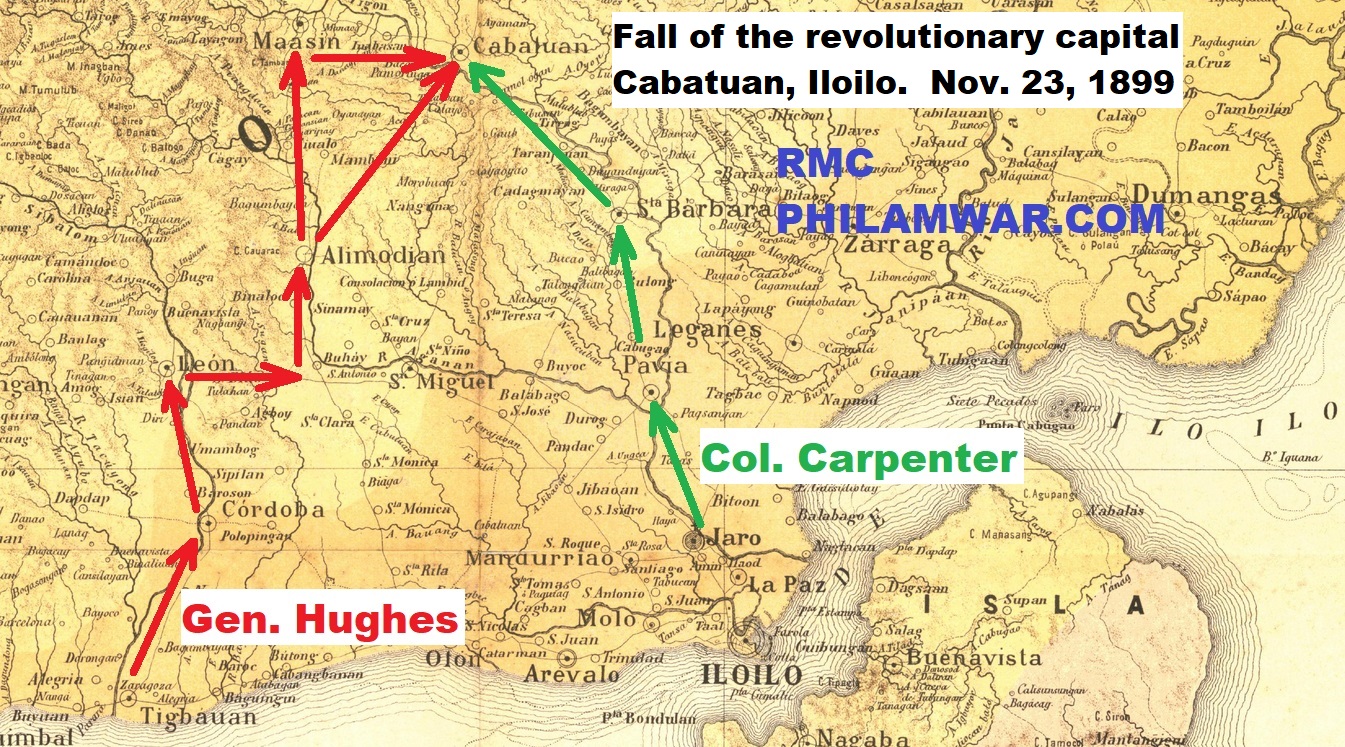
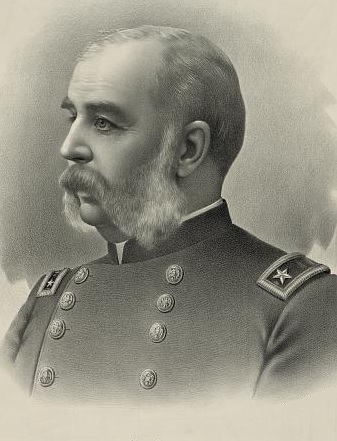
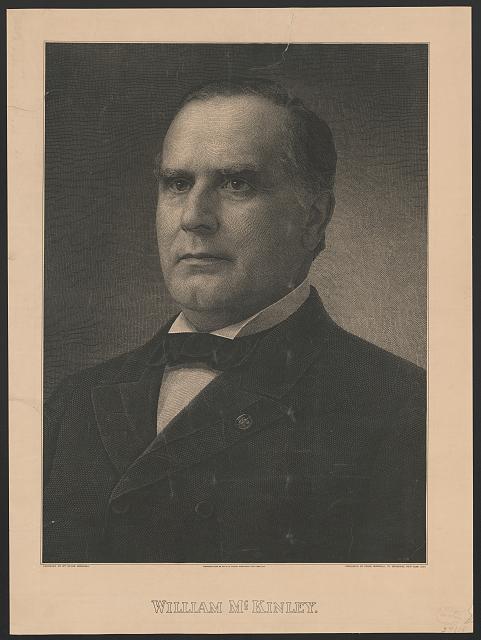
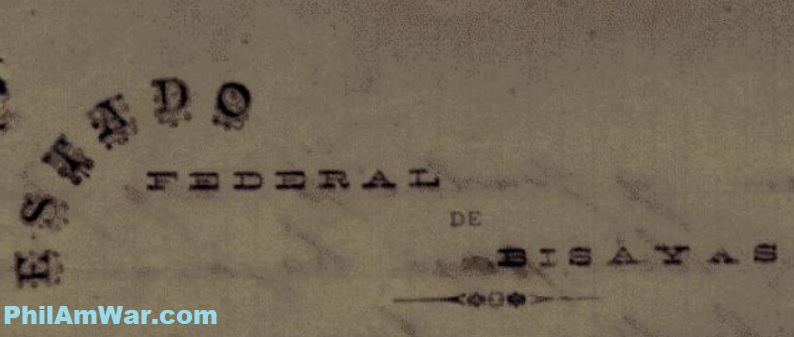 Estado Federal de Bisayas This letterhead was in a letter from Cabatuan, Iloilo, the capital of the Estado Federal de Bisayas from Feb. 12 1899 after the fall of Iloilo City (Feb. 11 1899) and Jaro (Feb. 12 1899), to Sept. 23 1899 when the Estado was dissolved. After which, Cabatuan remained the capital of the Politico-Militar Gov't of Gen. Martin Delgado y Bermejo until Nov. 23, 1899 when Cabatuan was captured by Gen. Hughes. |
 Iloilo Politico-Militar Government. This seal was in a letter of Gen. Martin Delgado y Bermejo from Cabatuan, Iloilo, the capital of his Politico-Militar Gov't from Sept. 23, 1899 when the Estado Federal de Bisayas was dissolved to Nov. 23, 1899 when Cabatuan was captured by Gen. Hughes. |
| CABATUAN1 | 9 Months and 11 Days |
| JARO2 | 2 months and 21 Days |
| SANTA BARBARA3 | 4 Days |
1 Feb. 12 1899 to Sept. 23 1899 (Estado Federal de Bisayas)
Sept. 23 1899 to Nov. 23 1899 (Politico-Militar Government)
2 Nov. 21 1898 to Feb. 12 1899
3 Nov. 17 1898 to Nov. 21 1898
February 4, 1899, fighting broke out in Luzon. The Phil-Am War had begun.
February 10, 1899, an order arrived in Iloilo from Otis, directing Miller to land as soon as practicable.
February 11, 1899, General Miller landed and captured Iloilo City.
February 12, 1899, two battalions of the 18th U.S. Infantry marched from Iloilo City to Jaro, and Jaro was also occupied.
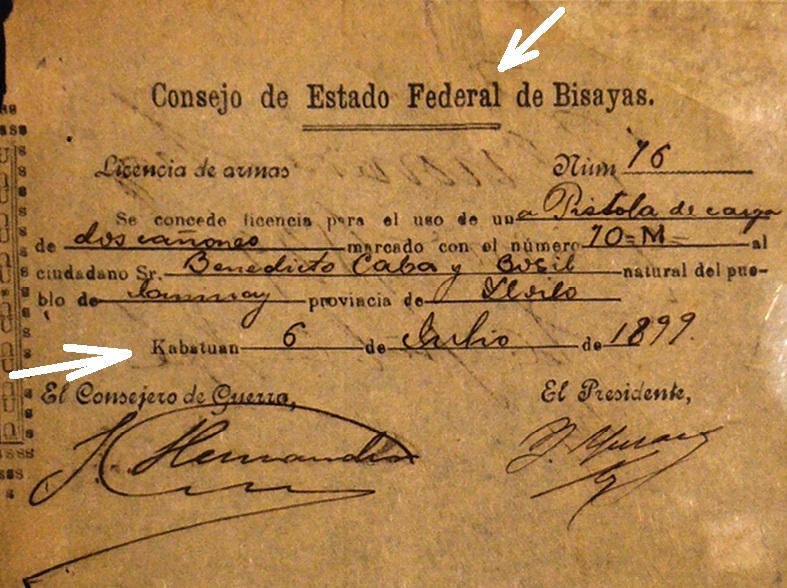
February 12, 1899, Cabatuan, Iloilo became the capital of the Estado Federal de Bisayas.
With the fall of both Iloilo City and Jaro, the Estado Federal de Bisayas immediately transferred their capital to Cabatuan Iloilo. They sent a letter from Cabatuan to Raymundo Melliza, their president, that his presence was now needed in Cabatuan.
From February 12, 1899, the Estado Federal de Bisayas was continuously capitaled in Cabatuan, Iloilo until September 23, 1899 when the Estado was dissolved.
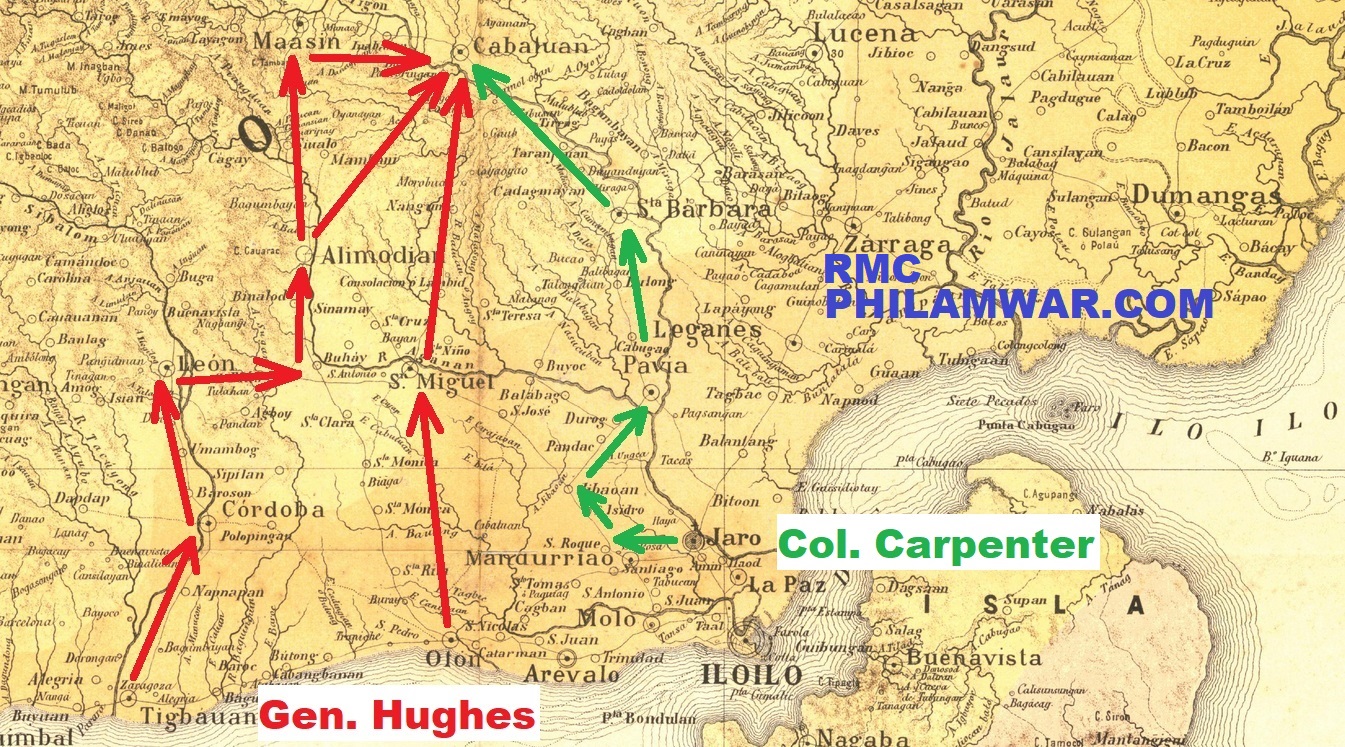
On September 23 1899, the Estado was replaced by the Politico-Militar Government of Gen. Delgado y Bermejo whose capital remained in Cabatuan until November 23, 1899 when Gen. Hughes captured the town.
|
CABATUAN, ILOILO AS THE CAPITAL OF THE ESTADO FEDERAL DE BISAYAS FEB 12 1899 TO SEPT 23 1899 |
Cabatuan, Iloilo as the capital of the Estado Federal de Bisayas
Feb 12 1899 to Sept 23 1899
From the fall of Jaro (Iloilo) on February 12, 1899, the Estado Federal de Bisayas had maintained its capital continuously in Cabatuan until the Estado was dissolved on September 23, 1899 and replaced by the Politico-Militar Government of Gen. Martin Delgado y Bermejo whose capital remained in Cabatuan until the town was captured by Gen. Hughes on November 23, 1899.
Estado Federal de Bisayas transfers its capital to Cabatuan, Iloilo on Feb 12 1899
From Page 113 of Demy Sonza's book on Adriano Hernandez:
the council members decided to proceed to Cabatuan and establish the seat of the government there. Upon learning that the other members of the Council of State were already in Cabatuan with their families, Avanceņa decided to join them. "I'm glad i am not married," he remarked. "I'm glad my own family is in Dingle," Hernandez replied. "I'll stay here for awhile and see how i can help the General- en-Jefe." "but as soon as possible, please go to Cabatuan," Avanceņa requested. "we should render our report to the Council of State together."
From Pages 115-116 of Demy Sonza's book on Adriano Hernandez:
facing Hernandez, Delgado said, "Compadre, you looked very tired. Why don't you take the day off and go home to Dingle?" Hernandez was delighted to hear Delgado's words. "Thank you very much," he blurted, "I've really missed my family. By the way, from Dingle can I proceed to Cabatuan day after tomorrow so that Ramon and I can make our report to the Council of State?" "Of course, you may," Delgado said, "but be sure to come back immediately after you are through with your report." Carmen and the children were exceedingly glad to see Adre. "Thank God and the Virgin Mother that you are safely back," Carmen cried with joy. "I was so worried about you." "I've also missed you and the children so much," Adre replied. "How I wish I could stay home all the time." The General stayed only one day with his family. In the morning of February 17, he paid a brief visit to Gabriel Sinoy who was the local president of Dingle under the Federal State of the Visayas, and then rode with his aide to Cabatuan via Pototan and Lucena.

Upon Hernandez's arrival in Cabatuan, Avancena requested Jovito Yusay to call a meeting of the Council of State in the evening so that he and Hernandez could make their report. Yusay was acting as President of the Federal State of the Visayas because Raymundo Melliza, who had succeeded Roque Lopez as president the previous January 17, and Nicolas Jalandoni, the new vice president, had not gone to Cabatuan after the fall of lloilo.
In Cabatuan, Adre Hernandez met his brother Julio, the Councilor of War and Chief of the War Commission, who was elated to see him. The other members of the Council who were present during the session of February 17 were
Jovito Yusay,
Benito Lopez,
Ramon Avanceņa,
Victorino Mapa,
Fernando Salas,
Tranquilino Gonzalez, and
Francisco Tarrosa, the secretary.
It was Avanceņa who made the report on behalf of the Commission that went to Malolos, two of whose members, Venancio Concepcion and Vicente Gella, had been left behind in Luzon. Avanceņa related the Commissioners' meeting with Aguinaldo, Mabini, and the other department secretaries of the Republic and their sad experience on the way back to Iloilo. Since the written instructions were with Jose Ner and he had not yet arrived from Manila, Avanceņa stated the instructions from the National Government as far as he could recall them from memory. Hernandez assured the Council that as best as he could remember, the instructions were what Avancefia had enumerated. After listening to the report, the Council of State adopted a resolution of thanks to Ramon Avanceņa and Gen. Adriano Hernandez "for the thorough discharge of their delicate and difficult mission, and, also, in view of the sacrifices they had made and the sufferings through which they had gone at Manila and in the Bay of Iloilo."
1229 - Estado Federal de Bisayas Meeting, Feb 17, 1899
1234 - Yusay to Poblador, Mar 1 1899
Crane - Estado Federal de Bisayas Meeting, Mar 15 1899
1236 - Estado Federal de Bisayas Meeting, Mar 15 1899
1237 - Yusay to Aguinaldo, Mar 16 1899
1238 - Yusay on Fr. Rafael Murillo, Mar 25 1899
Letter to Seņor Gobernador de Estado Federal de Bisayas in Cabatuan, Apr 13 1899
Letter to Jefe del Consejo de Governacion in Cabatuan, Apr 14 1899
1248 - Estado Federal de Bisayas Meeting, Apr 26 1899
1251 - Yusay Circular, May 9 1899
1252 - Salas Circular, May 25 1899
Crane - Estado Federal de Bisayas Meeting, Jun 2 1899
1256 - Estado Federal de Bisayas Meeting, Jun 2 1899
From Page 121 of Demy Sonza's book on Adriano Hernandez:
On June 7, Angel Salazar, president of the Antique Provincial Council, appeared in Cabatuan and reiterated his allegiance to the Federal State of the Visayas.
From Page 121 of Demy Sonza's book on Adriano Hernandez:
Another move that the Ilonggo Federalistas (as the proponents of the federal form of government were called) took was to create the province of Concepcion, comprising of the towns within the Military District of Concepcion. For this purpose, the Council of State deputized Gen. Adriano Hernandez and Carlos Ledesma, the auditor of war, as special deputies to organize the government of the new province. The two officers drove to Concepcion and called the local presidents of the towns within the district to assemble in order to elect the officials of the new province. Elected were Isidro Garcia, president; Lucio Barzan, delegate of justice; Mateo Aldeguer, delegate of finance; and Mariano Malapaya, delegate of police. These officials were inducted into office on June 10 in Cabatuan by Jovito Yusay, acting president of the Federal State of the Visayas.
1258 - Estado Federal de Bisayas Meeting, Jul 16 1899
1259 - Estado Federal de Bisayas Meeting, Jul 28 1899
1261 - Oton Pres. to Pres. Estado Federal, Aug 8 1899
1262 - Yusay Tax Decree, Aug 17 1899
1266 - Estado Federal de Bisayas Meeting, Sept 23 1899
|
CABATUAN, ILOILO AS THE CAPITAL OF THE POLITICO-MILITAR GOVERNMENT OF GEN. MARTIN DELGADO Y BERMEJO SEPT 23 1899 TO NOV 23 1899 |
Cabatuan, Iloilo as the capital of the Politico-Militar Government of Gen. Martin Delgado y Bermejo
Sept 23 1899 to Nov 23 1899
1269 - Delgado to Local Residents, Oct 1899
1270 - Delgado to the People, Oct 5 1899
1273 - Delgado Decree, Oct 10 1899
1274 - Delgado Edict, Oct 14 1899
1277 - Acting Chief of Staff to Local Presidentes, Oct 29 1899
1278 - Delgado to Salazar, Oct 30 1899
1279 - Delgado to Local Presidentes, Oct 29 1899
great majority of insurgent troops were concentrated ... south of the town of Cabatuan, where the insurgent capital had been established
Delgado's strongest force was concentrated ... south of the town of Cabatuan, where the insurgent capital had been established
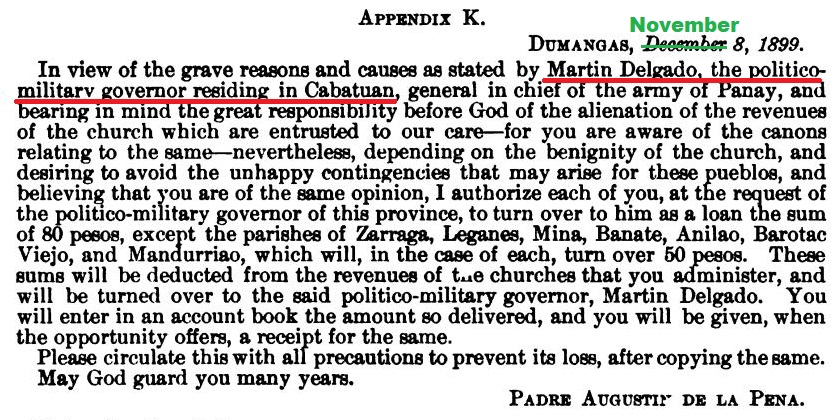
Father Agustin de la Peņa's letter to Parish Priests, Nov 8 1899, mentioning that Gen. Martin Delgado y Bermejo's residence is in Cabatuan, Iloilo
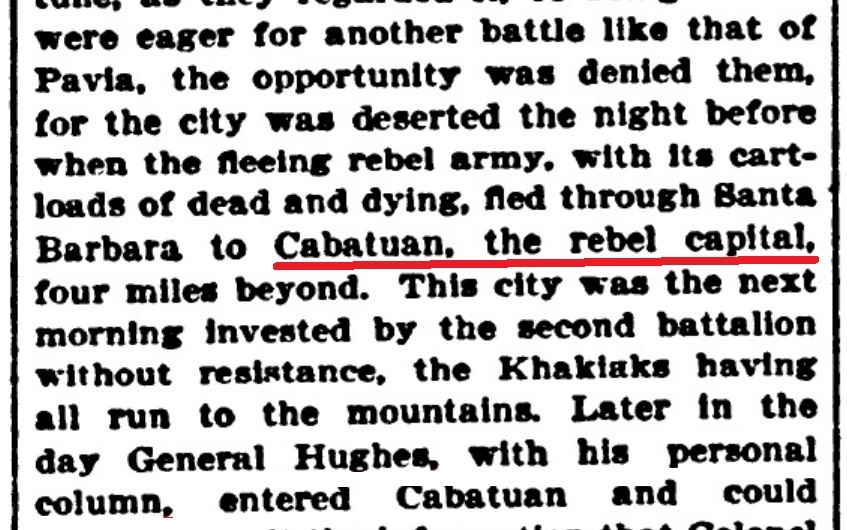
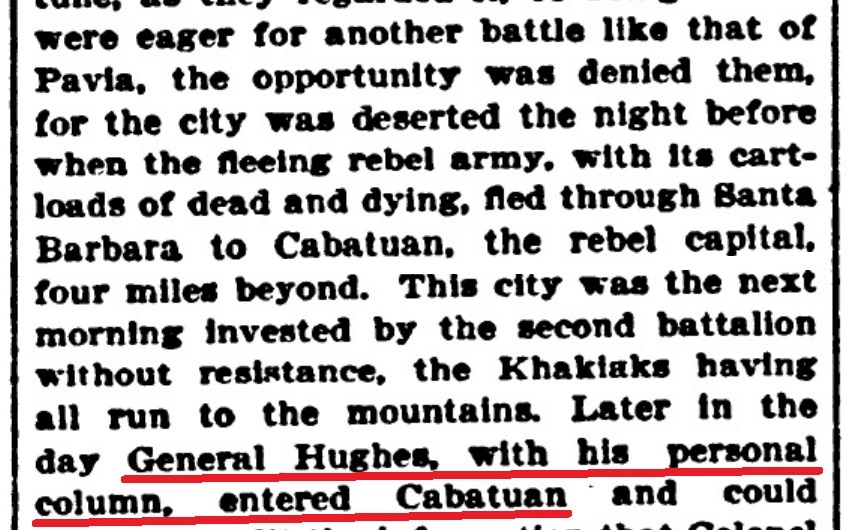
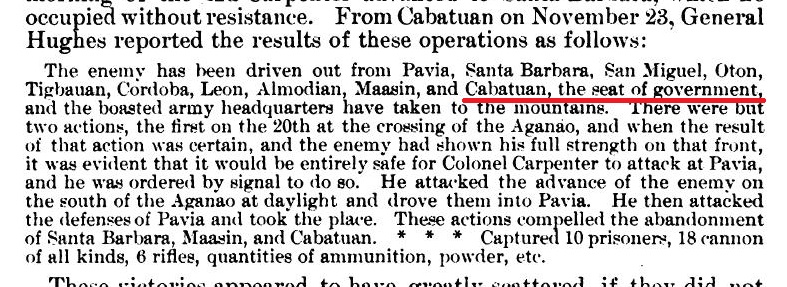
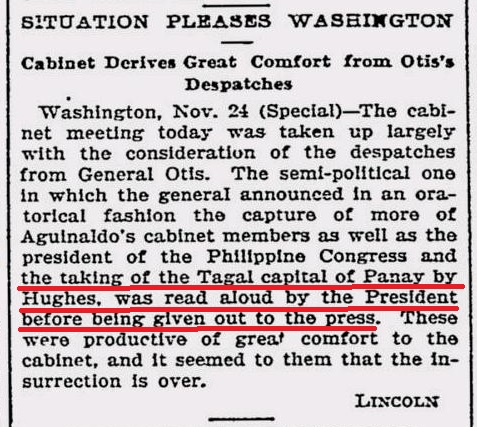
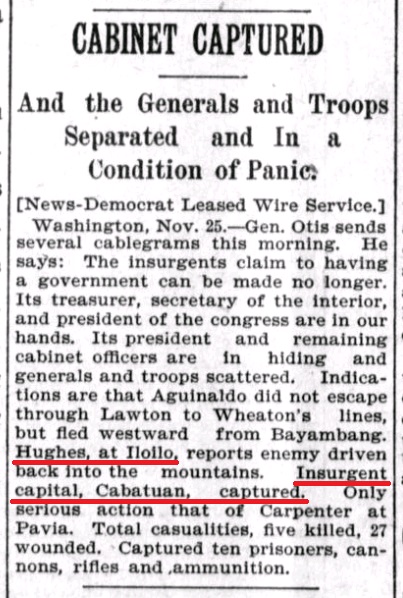
The enemy has been driven out from ... Cabatuan, the seat of government - Hughes, Nov 23 1899
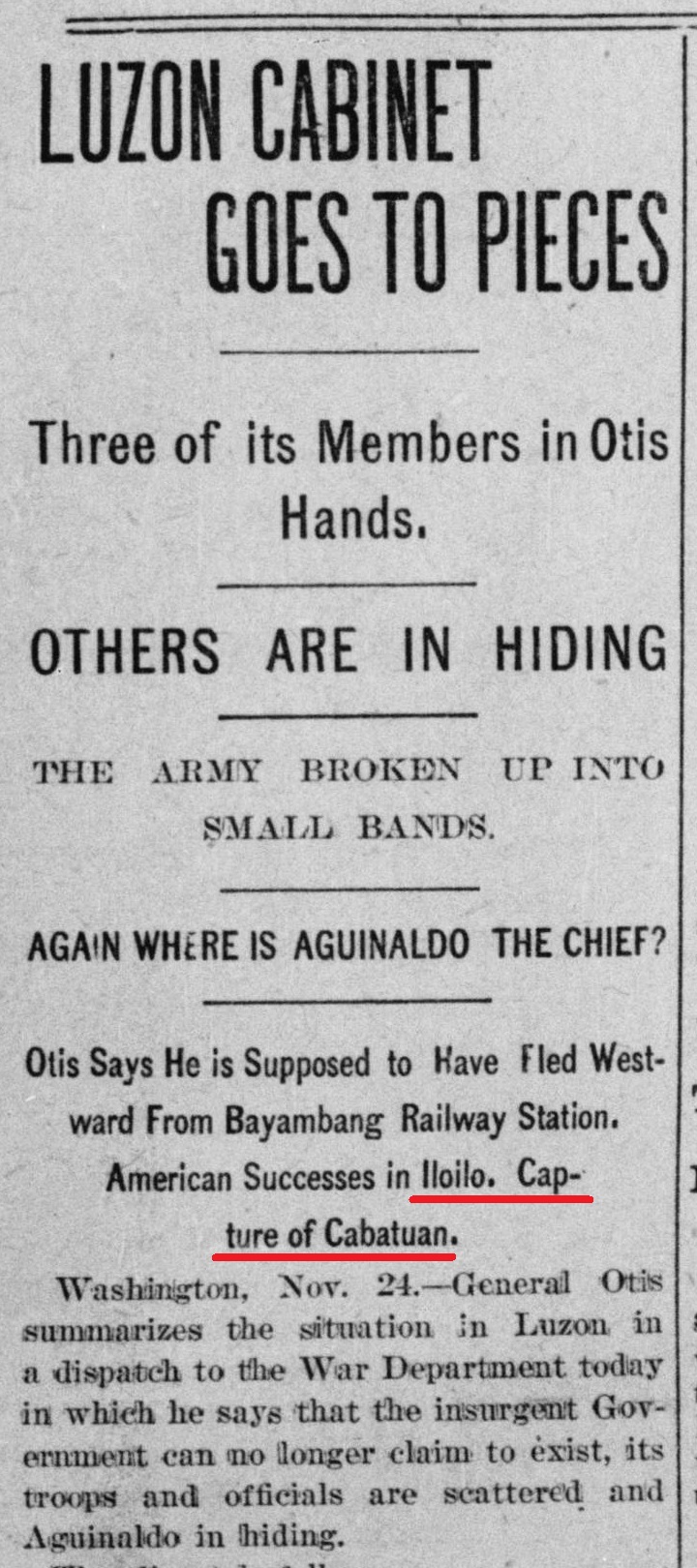
insurgent capital, Cabatuan Iloilo, captured - Otis, Nov 24 1899

addressed to Seņor Presidente del Gobierno de Estado Federal
referring to Seņor Jovito Yusay, presidente of the Estado Federal de Bisayas capitaled in Cabatuan

addressed to Seņor Gobernador Politico-Militar y General en Jefe del Ejercito Libertador
referring to Gen. Martin Delgado y Bermejo whose Politico-Militar Government's capital was Cabatuan

|
FILIPINO REVOLUTIONARY FORCES ARE CONCENTRATED SOUTH OF THE INSURGENT CAPITAL CABATUAN, ILOILO |
Revolutionary Forces are concentrated south of the insurgent capital Cabatuan
great majority of insurgent troops were concentrated ... south of the town of Cabatuan, where the insurgent capital had been established

Delgado's strongest force was concentrated ... south of the town of Cabatuan, where the insurgent capital had been established

Gen. Martin Delgado y Bermejo residing in Cabatuan
Father Agustin de la Peņa's letter to Parish Priests on Nov 8 1899 mentioned that Gen. Martin Delgado y Bermejo, the politico-militar governor, is residing in Cabatuan.